
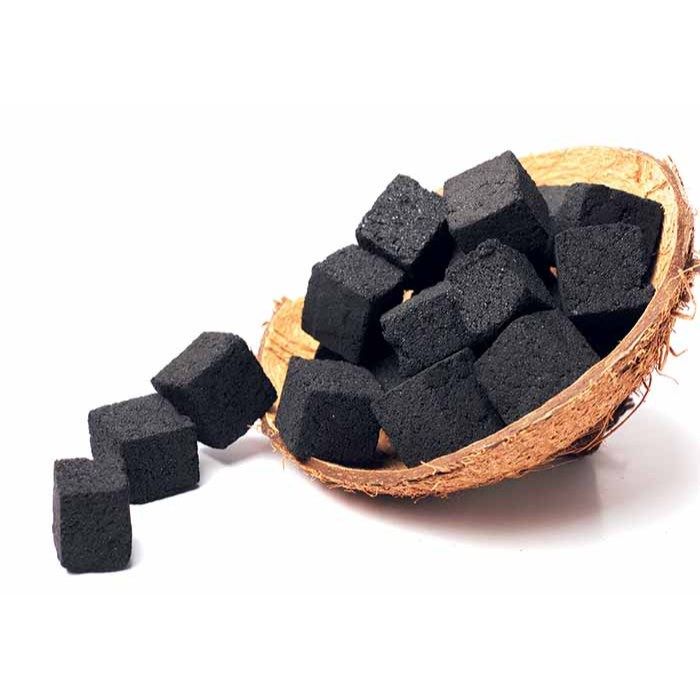
Coconut charcoal briquettes vs wood charcoal are widely used fuels for cooking, grilling, shisha, and outdoor heating. While both provide reliable heat, their properties differ in ways that affect burning duration, smoke output, flavor preservation, and convenience. Understanding these differences helps users make smarter choices for their specific needs.
Coconut charcoal is an eco-friendly alternative derived from repurposed coconut shells. It burns longer, produces minimal smoke, and maintains a consistent temperature, making it a versatile and practical fuel option.
Differences Between Coconut and Wood Charcoal
Coconut charcoal briquettes vs wood charcoal differ in several important ways that affect their performance, convenience, and environmental impact. Understanding these differences helps users choose the right fuel for grilling, cooking, shisha, or outdoor heating.
Heat Performance and Burn Time
Coconut charcoal generally offers longer burn times and steadier heat compared to wood charcoal. This makes it ideal for activities that require consistent temperatures, such as extended grilling or hookah sessions.
Wood charcoal can produce higher initial heat but tends to burn unevenly and may require more frequent replenishment. Coconut charcoal’s consistency ensures food or shisha tobacco cooks or heats evenly.
Smoke and Flavor Impact
One notable advantage of coconut charcoal is its minimal smoke and ash production. This not only makes the environment cleaner but also preserves the natural flavor of food and shisha.
Wood charcoal, while traditional, can impart a smokier taste that may not always be desirable. The cleaner combustion of coconut charcoal makes it particularly suitable for indoor use or areas where excessive smoke is a concern.
Forms of Coconut Charcoal
Coconut charcoal comes in different forms to suit various uses. Whether in compact briquettes for predictable burning, chunky pieces for intense heat, or specialty shapes for hookah and shisha, each type is designed to meet specific needs.
Briquettes
Pressed coconut briquettes are uniform in shape and size, offering predictable burning behavior. They are convenient for home grilling, restaurant kitchens, or shisha lounges.
Advantages:
-
Stable, long-lasting heat
-
Easy to arrange for airflow
Chunk Pieces
Carbonized coconut shell chunks provide quick ignition and high heat output, suitable for outdoor barbecues or fast cooking methods. Unlike briquettes, chunk pieces may vary in size but deliver intense heat efficiently.
Applications and Practical Uses
Natural coconut charcoal has versatile applications beyond traditional cooking. Its durability and clean burn make it ideal for multiple settings.
Culinary Use
Chefs and home cooks appreciate coconut charcoal for consistent grilling temperatures. It allows for precise cooking of meat, vegetables, and seafood without frequent adjustments.
Hookah and Shisha
For shisha, coconut charcoal maintains stable heat, allowing tobacco or flavored molasses to smoke evenly over longer sessions. Its low odor ensures the flavor remains pure.
Outdoor Heating
Because of its high carbon content and long burn, coconut charcoal is a reliable portable heat source for camping, picnics, or emergency preparedness.
Environmental and Economic Advantages
Using coconut charcoal contributes to sustainability by converting coconut shells, often considered waste, into valuable fuel. It also reduces the need for wood charcoal, which can help prevent deforestation.
Economic advantages include creating new revenue streams for local communities processing coconut shells and reducing costs for users due to longer burn times and efficiency.
Selecting the Right Charcoal
Choosing the best fuel depends on:
-
Intended use: grilling, shisha, or heating
-
Desired burn time: longer sessions favor coconut briquettes
-
Smoke and ash concerns: cleaner options for indoor or sensitive environments
High-quality coconut shell charcoal briquette products provide reliable performance and environmentally responsible fuel, ensuring users enjoy both convenience and sustainability. For those seeking trusted suppliers, options are available via jacoid.com.