
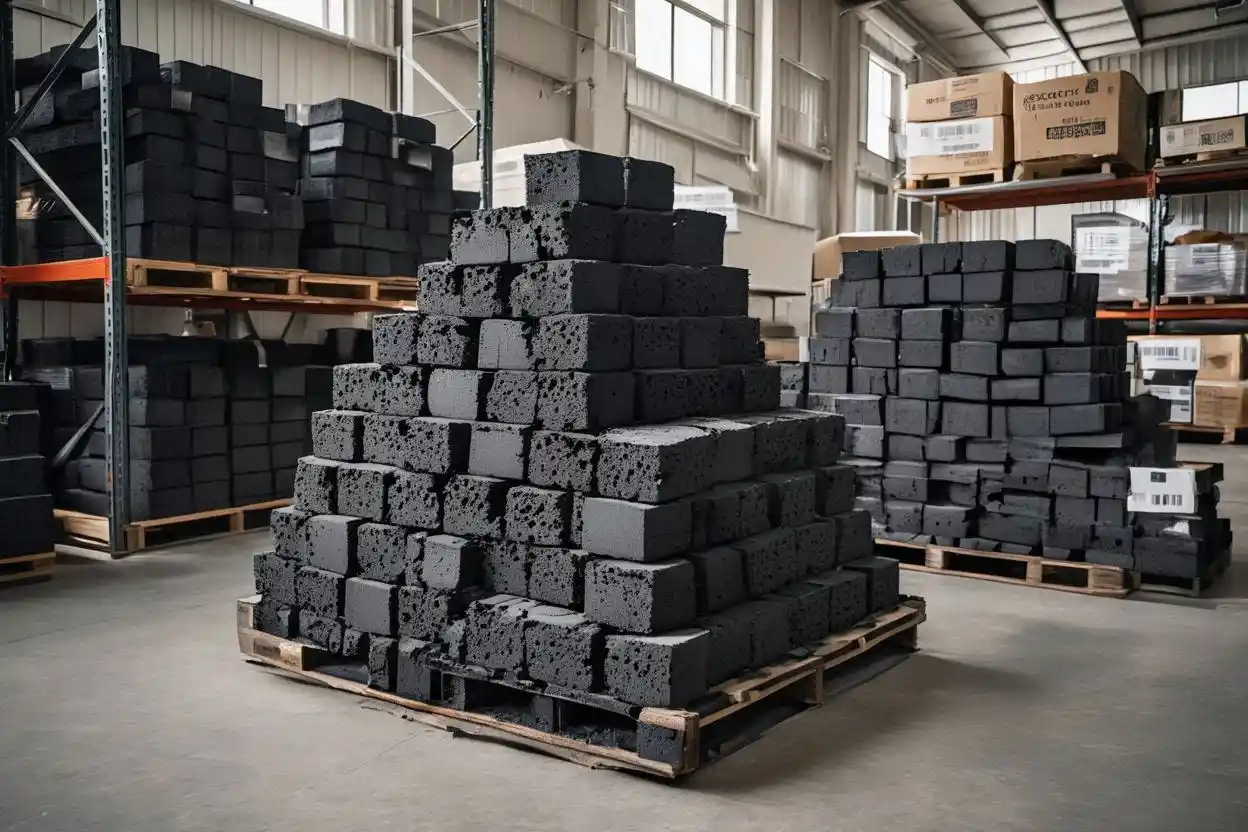
The market for charcoal briquettes for global distributors continues to expand as international trade grows. Restaurants, shisha lounges, and specialty retailers increasingly rely on dependable fuel products. Because of this trend, distributors play a key role in maintaining stable product availability.
Moreover, many international buyers prefer briquettes made from sustainable raw materials. This preference encourages distributors to partner with manufacturers that maintain high production standards.
Why Distributors Choose Charcoal Briquettes
Many distributors select charcoal briquettes because they deliver stable heat and consistent performance. These briquettes support restaurants, catering services, and hookah lounges that require consistent heat performance. Consequently, distributors can meet the expectations of different market segments.
In addition, charcoal briquettes offer several practical advantages:
-
Consistent and uniform shape
-
Longer and steady burning time
-
Minimal smoke and odor
-
Lower ash production
Therefore, distributors can confidently supply restaurants, cafes, and retailers with dependable fuel products.
Quality Standards for Global Briquettes
Distributors must evaluate product quality before forming supplier partnerships. High-quality briquettes help businesses maintain reliable product performance. Strong quality control also protects the reputation of distributors in competitive markets.
Premium briquettes usually offer several important characteristics:
-
Natural coconut shell raw materials
-
Strong compression for durability
-
Clean and stable combustion
-
Uniform cube or pillow shapes
Because of these qualities, many businesses choose trusted producers of coconut charcoal briquettes for distributors. Reliable manufacturers maintain consistent product specifications across shipments.
Distribution Strategy for Global Markets
Successful distributors build clear strategies for global markets. They coordinate logistics, warehousing, and supply planning to maintain smooth operations. Careful planning reduces delays and prevents supply interruptions.
Many distributors improve efficiency through several practical strategies:
-
Partnering with experienced export manufacturers
-
Creating clear shipping schedules
-
Organizing warehouse inventory systems
-
Monitoring product quality during storage
These steps allow distributors to deliver products quickly and reliably to international customers.
Packaging for International Distribution
Packaging also plays a crucial role in global charcoal distribution. Strong packaging protects briquettes during transportation and long-distance shipping. Proper packaging also helps distributors maintain product quality.
Most exporters apply several packaging practices:
-
Strong carton boxes
-
Moisture-resistant plastic liners
-
Palletized shipping systems
-
Clear labeling for logistics tracking
These packaging solutions simplify warehouse handling and reduce the risk of product damage.
Expanding Opportunities for Distributors
Meanwhile, global demand for charcoal continues to rise across several industries. Restaurants, outdoor cooking businesses, and hookah lounges all require consistent fuel supplies. Because of this demand, the market for charcoal briquettes for global distributors keeps expanding.
To remain competitive, many distributors study market insights and industry discussions. Informative platforms such as tipsbytony.com often share useful perspectives on business strategies and operational trends.
By following these insights, distributors can adjust their strategies and strengthen partnerships with reliable manufacturers.
Conclusion
The market for charcoal briquettes for global distributors presents strong opportunities in international trade. Distributors connect manufacturers with businesses that require dependable charcoal products.
Companies that prioritize quality control, efficient logistics, and strong supplier partnerships often maintain stable supply chains. With careful planning and reliable sourcing, distributors can support growing global demand while strengthening their position in the charcoal briquette market.