
Smoking meat requires precise temperature control over extended cooking sessions. Fuel selection directly influences consistency, flavor development, and efficiency. Many buyers ask what charcoal is best for smoking performance. Different charcoal types create distinct heat patterns inside smokers. Understanding these differences supports better sourcing and export decisions.
Understanding Smoking and Heat Control
Smoking involves cooking food at low temperatures for several hours. Typical smoking temperatures range between two hundred and two hundred fifty degrees Fahrenheit. Stable combustion ensures steady heat throughout the smoker chamber. Airflow management regulates oxygen supply and burn intensity. Charcoal density affects how long fuel maintains consistent heat. Unstable fuel may cause sudden temperature spikes or drops. Reliable charcoal improves precision during long cooking cycles.
Types of Charcoal Used for Smoking
Charcoal briquettes are manufactured with uniform size and density. Their consistent structure supports predictable burn duration and airflow control. Briquettes perform effectively during long smoking sessions. Lump charcoal consists of irregular hardwood pieces without additives. It ignites quickly and generates strong initial heat output.
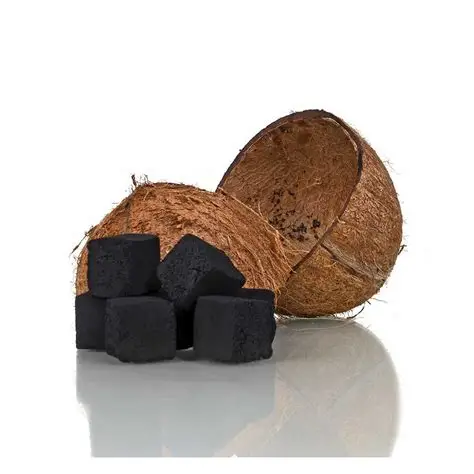
However lump charcoal may burn unevenly over extended periods. Coconut shell briquettes contain high fixed carbon content. They produce lower ash and cleaner combustion inside smokers.
What Charcoal Is Best for Smoking Key Criteria
Burn duration remains essential for uninterrupted smoking sessions. Long lasting charcoal reduces the need for constant refueling. Heat stability ensures consistent low temperature performance. Balanced combustion improves airflow response and control. Ash production affects ventilation and oxygen circulation. Lower residue keeps vents clear during prolonged cooking. Smoke purity influences final taste and aroma quality. Charcoal free from chemical additives enhances food safety.
Export Perspective What Global Buyers Look For
International buyers prioritize consistent briquette sizing for efficiency. Uniform dimensions improve pallet stacking and storage management. Moisture control protects charcoal during long distance shipping. Durable packaging reduces damage throughout container transportation. Quality certifications strengthen credibility in competitive retail markets. Private label production creates branding opportunities for distributors. Reliable manufacturing capacity supports recurring export orders.
Why Briquettes Often Outperform Lump for Smoking
Briquettes provide more predictable temperature control than lump charcoal. Their compact structure allows steady airflow adjustments inside smokers. Extended burn cycles support consistent performance during long sessions. Many professionals evaluating what charcoal to use for smoking prefer briquettes. Restaurants value reliable results during commercial kitchen operations. Backyard enthusiasts appreciate steady heat without frequent fuel adjustments. Market demand increasingly favors briquettes in premium barbecue segments.
Business Opportunity in Smoking Charcoal Market
Global barbecue culture continues expanding across diverse regions. Smoked meat products gain popularity within retail and horeca sectors. High quality briquettes offer attractive margins for importers. Long term supply contracts create stable export growth potential. Strategic partnerships strengthen competitiveness in international markets.

Penulis